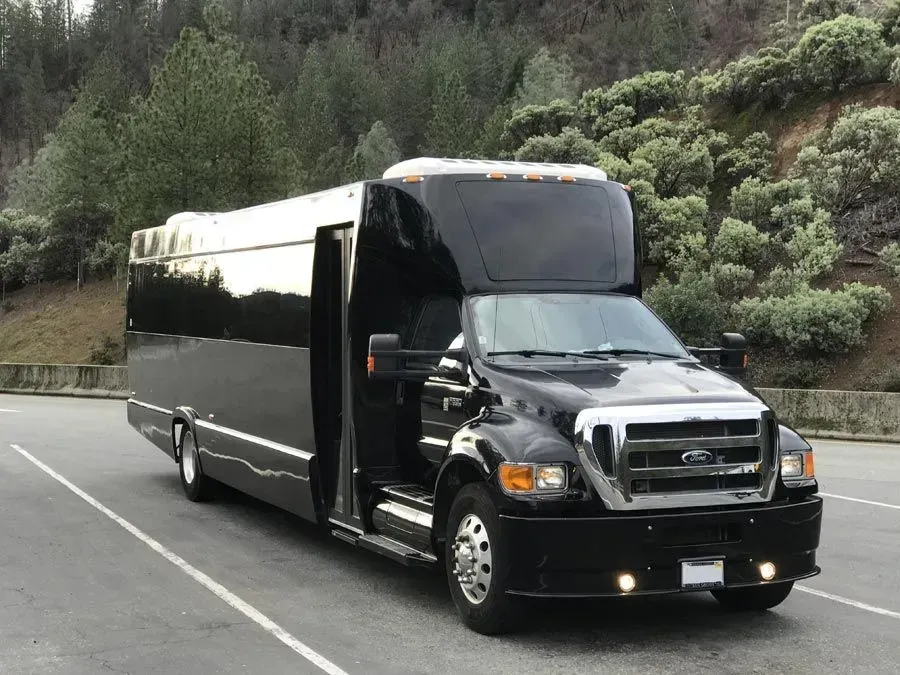
Planning an event involves countless details, and transportation is often underestimated. Often hosts presume guests will manage their own transport, which can lead to problems. Such assumptions may cause lateness, scheduling conflicts, and added stress for everyone involved. Properly assessing how many guests require transportation, including special accommodations, is crucial. Taking into account ease of access and convenience guarantees timely and comfortable arrivals. Overlooking these needs can disrupt the flow of your event and diminish the overall experience.
Booking transport without knowing how many attendees need it can lead to packed cars or extended delays. Planning should allow for adaptability to address last-minute adjustments. Securing dependable transport ahead of time avoids problems caused by scarcity. Accounting for rush hours and traffic trends helps reduce tardiness and keeps events on track. Well-planned logistics communicate professionalism and foresight. Haas Limo provides reliable service so attendees travel smoothly throughout.
Neglecting Clear Directions to Transportation Teams
Clear communication with transportation providers is essential for a successful event. Errors about pickup schedules, destinations, or vehicle types can cause chaos during the event. Providing detailed instructions and confirming arrangements multiple times can prevent these errors. Communicating unique preferences or VIP accommodations ensures proper service. Insufficient communication can compromise transport quality and disrupt guest experiences. Keeping all parties informed fosters trust and dependable execution.
Event hosts should provide a single point of contact to coordinate all transportation needs. read more This approach enables smooth updates and keeps drivers fully informed of schedules. Verifying routes and timing beforehand minimizes potential setbacks. Giving attendees access to relevant contacts ensures concerns can be addressed immediately. Open and detailed communication ensures seamless execution. Ongoing communication during planning fosters strong relationships and accountability.
Neglecting Schedule Considerations
Timing is one of the most critical aspects of event transportation planning. Underestimating trip lengths risks lateness and tension for attendees. Allowing contingency time for delays or parking complications ensures smoother arrivals. Managing arrivals to reduce bottlenecks ensures a calm and efficient guest flow. Timing should account for both the start and end of the event, ensuring a seamless transition. Accurate timing reflects competence and careful planning.
Packing cars beyond capacity or miscalculating durations creates issues. Providing accurate itineraries for drivers and staff helps them manage the schedule efficiently. Planning sequential routes and timing for multiple stops maintains comfort and punctuality. Accommodating guests with particular requirements supports a more seamless travel experience. Well-planned timing prevents unnecessary stress for everyone involved. It also allows hosts to focus on the event itself rather than dealing with logistical issues.
Neglecting Unique Attendee Needs
Attendees may have particular requirements that demand attention. Special needs might involve mobility assistance, specific in-car amenities, or VIP confidentiality. Ignoring these requirements can lead to discomfort and dissatisfaction. Early planning ensures transport solutions meet unique guest requirements. Making attendees feel respected and accommodated improves the event’s perception. Meeting unique guest requirements shows meticulous planning and courtesy.
Informing staff of guest specifics avoids mishaps and facilitates seamless travel. Ensuring vehicles meet accessibility or cargo needs avoids delays and stress. Predicting possible challenges demonstrates preparedness and guest-first thinking. Guests who feel accommodated are more likely to have a positive and memorable experience. Event hosts who pay attention to these details can avoid common pitfalls. Thoughtful planning ensures that all attendees enjoy their travel comfortably and safely.
Neglecting Vehicle Maintenance and Quality
Guest perception is greatly influenced by vehicle condition and reliability. Old, worn, or substandard vehicles can leave guests with an unfavorable experience. Routine checks for cleanliness, mechanical issues, and interior comfort are essential. VIP experiences are measured by both promptness and the comfort of transportation. Attendees anticipate comfortable, secure, and reliable rides, especially for prestigious gatherings. Overlooking vehicle standards can overshadow other aspects of careful event planning.
Pre-event inspections help secure dependable transportation and reduce stress. Testing sound systems, lighting, and climate control features contributes to guest comfort. For special events, additional touches like refreshments or ambient lighting can enhance the luxury experience. Advance preparation helps prevent scheduling or comfort problems. Maintaining high standards demonstrates competence and meticulous planning. Observant guests will remember well-maintained vehicles as part of the event’s quality.
Overlooking Flexible Event Strategies
Events rarely go exactly as planned, making flexibility an essential part of transportation logistics. Unexpected traffic, weather, or additional attendees can upset timing. Ignoring backup plans increases the risk of disruption. Having extra cars or alternative routes ready maintains flow despite surprises. Being prepared for changes fosters reassurance and smooth operations. Flexibility ensures a seamless and pleasant event experience.
Coordinating with a transportation provider to establish contingency strategies improves overall event resilience. Alerting drivers to possible modifications ensures rapid adaptation. Having a clear plan for emergency situations minimizes disruption and ensures guests feel secure. Anticipating challenges demonstrates professionalism and attention to detail. Readiness and adaptability are essential to flawless event transportation. By expecting the unexpected, hosts can maintain control over the event flow.
Selecting Inappropriate Vehicles
Using vehicles unsuitable for the group or event can harm the experience. A too-large car can seem detached, while a small car may be overcrowded. Knowing which vehicle suits the group size, cargo, and event tone is essential. Features such as internet access, temperature control, and roominess enhance travel ease. Vehicle appropriateness reinforces the overall style and organization of the occasion. Attention to vehicle suitability shows professionalism and foresight.
Engaging a professional service can simplify the decision-making process for vehicle selection. Experienced companies ensure the right vehicles for every occasion. Providers evaluate guest experience, design preferences, and unique demands. Choosing carefully reduces logistical issues and improves enjoyment. Working with Haas Limo allows hosts to ensure guests arrive in style and comfort. Attention to vehicle suitability helps create a memorable impression for everyone involved.
Lack of Synchronization Among Transportation Teams
Coordination between drivers and event staff is often overlooked but crucial for smooth transportation. Poor coordination leads to delays, crowding, and scheduling mistakes. Open lines between drivers, organizers, and staff maintain clarity. Offering complete itineraries ensures prompt response to modifications. Well-managed communication creates efficient, low-stress transport. It ensures that transportation supports the overall success of the event.
Regular briefings before the event allow drivers and staff to review the schedule and discuss any special instructions. Establishing checkpoints and contingency protocols can help manage unexpected situations. Overseeing arrivals and departures ensures smooth guest flow. Transparent communication promotes safe, pleasant, and organized transport. Leveraging the expertise of Haas Limo ensures that this coordination is handled professionally. Flawless logistics management enhances perceptions of competence and high standards.